Your First Sim-Racing Wheel: Direct Drive, Load-Cell Pedals & What to Skip
Direct drive, belt drive, load-cell brakes, quick-release rims — the wheel-and-pedal world is full of jargon. Here's a plain-English guide to what actually matters when you buy your first (or next) sim-racing gear.
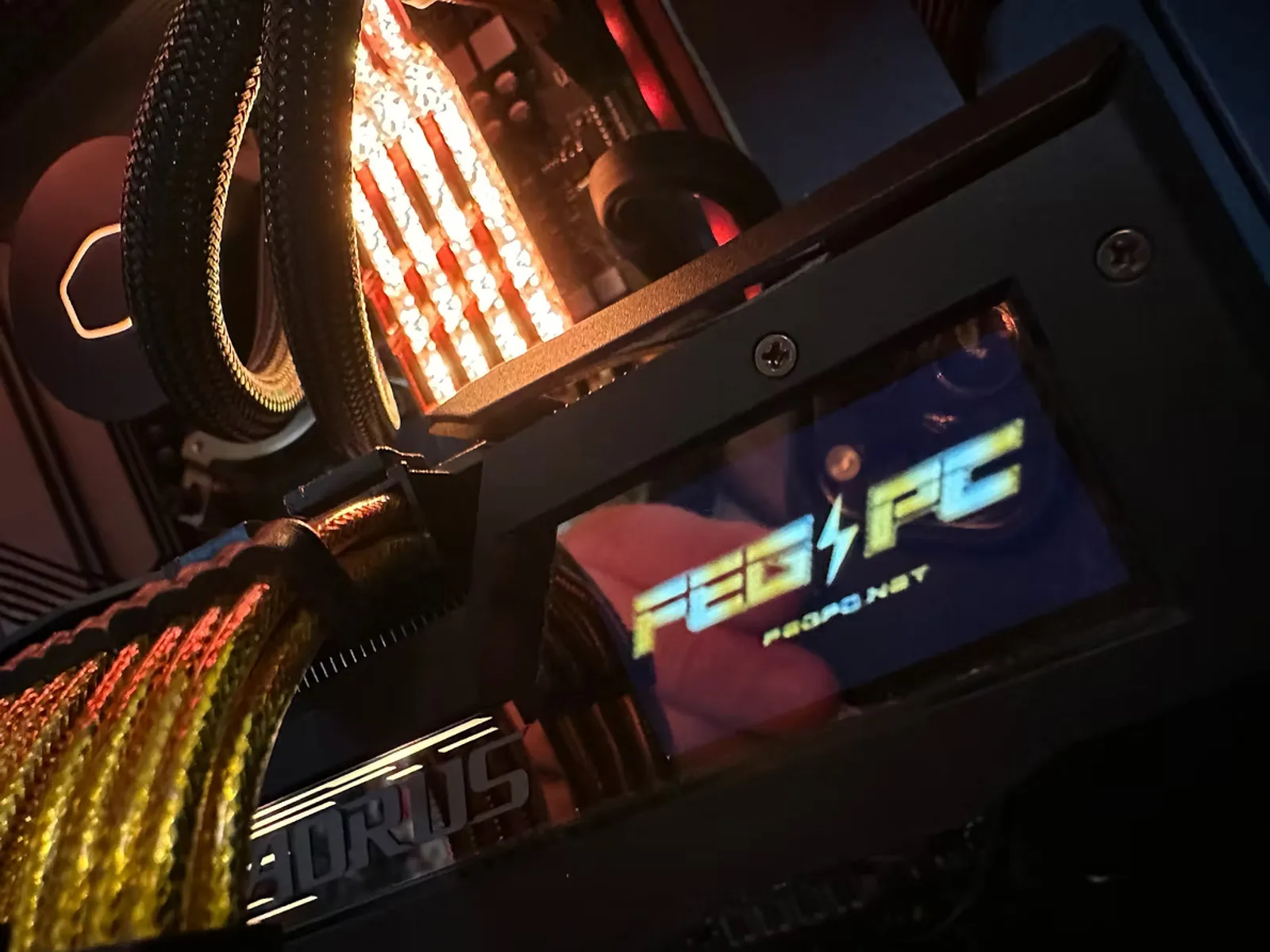
The PC gets the attention, but your hands only ever touch the wheel and pedals — so that's where the sim-racing experience really lives. FEG builds the computer and helps customers pair the right peripherals, so here's the honest, no-jargon guide we give people shopping for their first serious setup.
Wheel bases: gear vs. belt vs. direct drive
The wheel base is the motor that provides force feedback — the resistance and detail you feel through the wheel. There are three broad types:
- Gear/belt-driven (entry): Logitech G923, Thrustmaster T248. Affordable, well-supported, and perfectly fine to learn on. You'll feel notchiness and limited detail as you improve, but they're a legitimate starting point.
- Direct drive, mid-range (~5–9 Nm): Moza R5/R9, Fanatec CSL DD / GT DD Pro, Simagic Alpha Mini. The motor connects straight to the wheel — no gears or belts — so the feedback is smooth, detailed, and strong. This is where most serious racers should aim, and the jump from gear-driven is night and day.
- Direct drive, high-end (12–21+ Nm): Fanatec Podium/ClubSport DD, Moza R12/R16/R21, Simagic Alpha U, Simucube. Immense detail and strength for the truly committed — and they need a rigid mount to make sense.
If you buy once, buy direct drive
A mid-range direct-drive base is the single best value in sim racing right now. It'll outlast several entry wheels and teach you more, faster.
Pedals: the upgrade that surprises everyone
If you improve one thing, make it the pedals. Cheap sets measure how far you *press* the brake (potentiometers). A load-cell brake measures how *hard* you press — which is how real braking works, and it's dramatically more consistent lap after lap. Great-value load-cell options include the Fanatec CSL LC, Moza SR-P, and Simagic P-series; step up to Heusinkveld when you're chasing the last few tenths. Most racers notice a bigger lap-time gain from load-cell pedals than from a fancier wheel.
Rims, shifters, and add-ons
A quick-release rim lets you swap between a round GT wheel and a formula-style wheel in seconds. Add an H-pattern or sequential shifter and a handbrake as your interests narrow toward touring cars, rally, or drifting. Buy these as you need them — don't blow the budget on day one.
Don't forget the rig
A wobbly wheel stand flexes under strong direct-drive forces and quietly ruins the feel you paid for. A rigid aluminum-profile cockpit transforms how connected the car feels and holds your pedals planted under hard braking. It's the least glamorous purchase and one of the most impactful.
Where the PC comes in
A direct-drive base, a button box, a handbrake, a headset, and maybe a motion platform add up to a lot of USB devices and power draw. We build every FEG sim rig with USB headroom and clean, ample power so your whole setup runs reliably — no dropped devices mid-race. It's exactly the kind of detail a specialist catches.
Pairing new gear with a new PC? **Talk to a builder and we'll make sure the machine is ready for it, or start with the Sim-Racing PC Finder**.
Ready to build your sim-racing PC?
Tell us your displays, titles, and peripherals and we'll spec a machine that fits — hand-built and bench-tested by enthusiasts.
Keep reading
How to Build the Perfect Sim-Racing PC: Displays, Wheels, Titles & Streaming
A builder's guide to speccing a sim-racing rig — single vs. triple vs. VR, the CPU and GPU that actually matter, choosing wheels and pedals, iRacing vs. rFactor 2 vs. Assetto Corsa, and whether to stream on one PC or two.
Read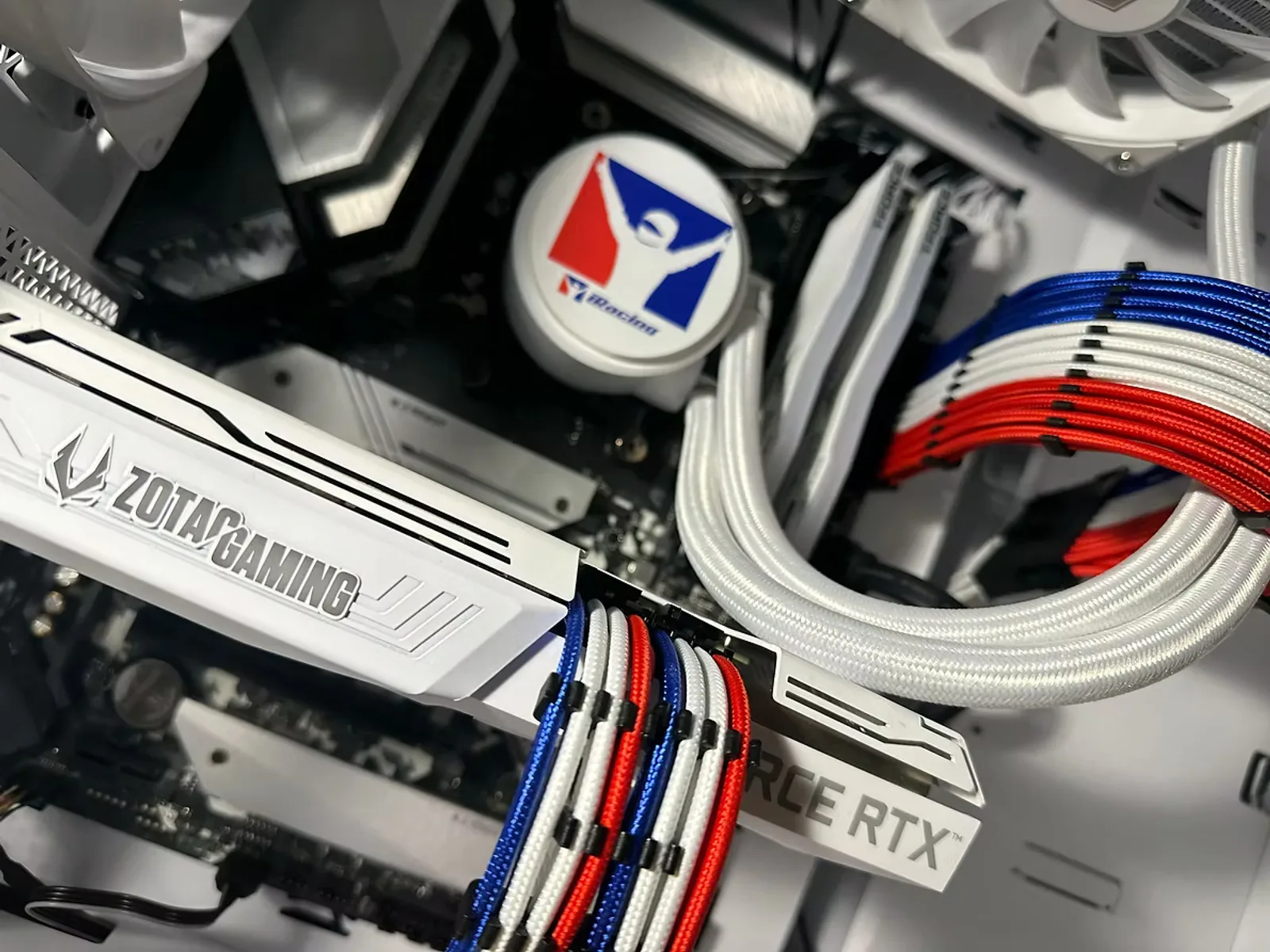
Triple Screens vs. VR for Sim Racing: Which Setup Is Right for You?
Triple monitors and VR are the two great immersion upgrades in sim racing — and they ask very different things of your PC and your wallet. Here's an honest comparison to help you choose.
Read
Stream Your Sim Racing: One PC or Two?
Thinking about broadcasting your races? Modern PCs can game and stream at once — but a dedicated second machine has real advantages. Here's how to decide, plus the settings that matter.
Read